The ROI of Wellness: Why Nepal's Top Corporations are Investing in Employee Health
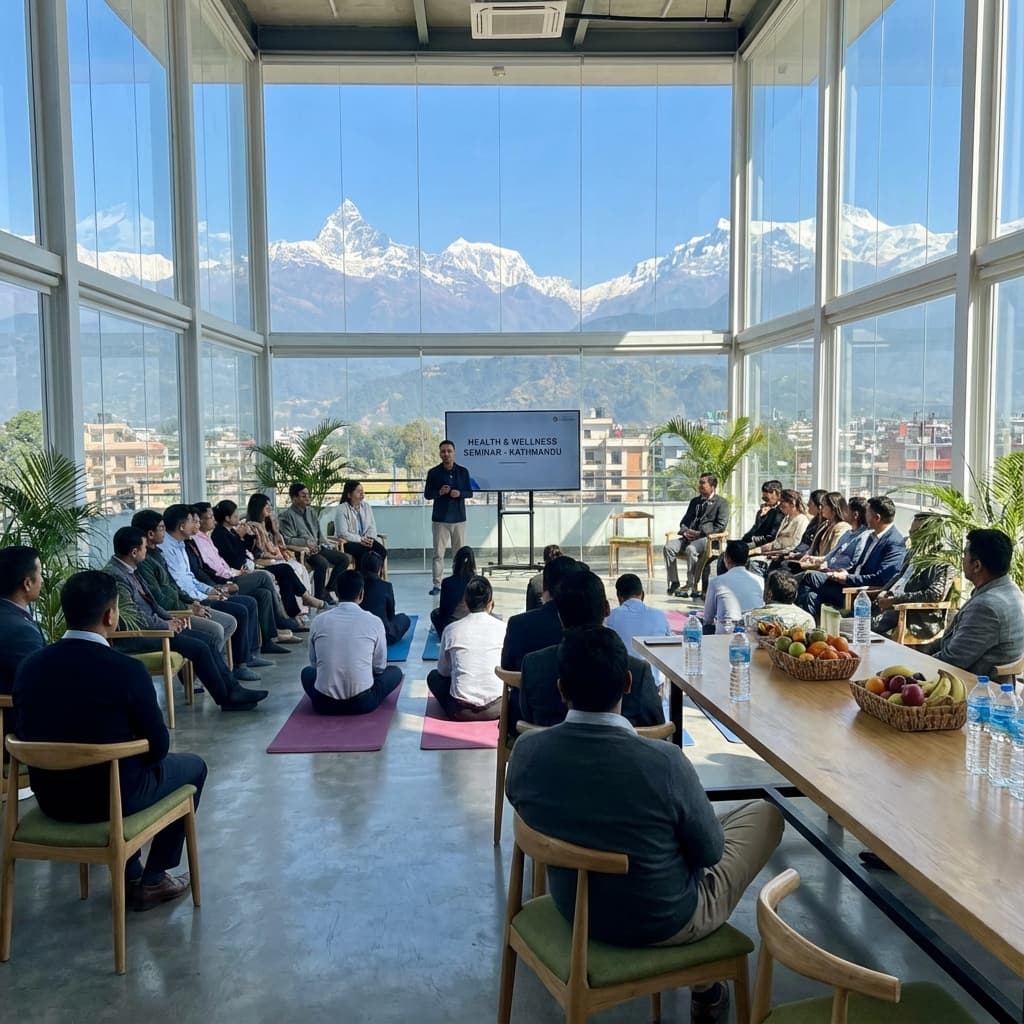
The ROI of Wellness: Why Nepal's Top Corporations are Investing in Employee Health
Shifting from Reactive to Proactive Healthcare
For decades, corporate health in Nepal was synonymous with basic insurance that only kicked in after an emergency. However, as the Kathmandu business landscape becomes more competitive, leading firms are realizing that waiting for employees to get sick is a costly mistake.
The new standard is Preventative Corporate Wellness. By investing in early detection and lifestyle management, companies are seeing a direct impact on their bottom line through reduced absenteeism and higher employee engagement.
The Hidden Costs of an Unhealthy Workforce
When an employee is unwell but still at work—a phenomenon known as "presenteeism"—their productivity can drop by over 30%. In a high-stakes environment like banking, tech, or manufacturing, this adds up to significant annual losses.
How Preventative Care Saves Money:
1. Reduced Sick Leave: Regular blood-tests can catch early signs of hypertension or diabetes, allowing for management before they lead to long-term leave. 2. Improved Talent Retention: In an era of "brain drain," employees are more likely to stay with a company that actively prioritizes their mental and physical well-being. 3. Enhanced Focus: Programs that include caregiver-services lead to fewer distractions for employees dealing with aging parents or sick family members.
Building a Custom Wellness Architecture
At Kafal Care, we don't believe in cookie-cutter solutions. We partner with organizations to build wellness programs that actually work for their specific demographic.
Our Corporate Offerings Include:
Private In-Home Testing by Kafal Care
Protect your privacy and your health. Book an accredited STI blood test—right at your doorstep, in Kathmandu & nationwide. Fast, confidential results, always with a caring touch.
Book Discreet Home TestExpert Tips for HR Managers
Conclusion: The Future of Work in Nepal
The companies that will lead Nepal into the next decade are those that view their employees' health as their most valuable asset. Preventative care is no longer a perk—it's a strategic necessity.